

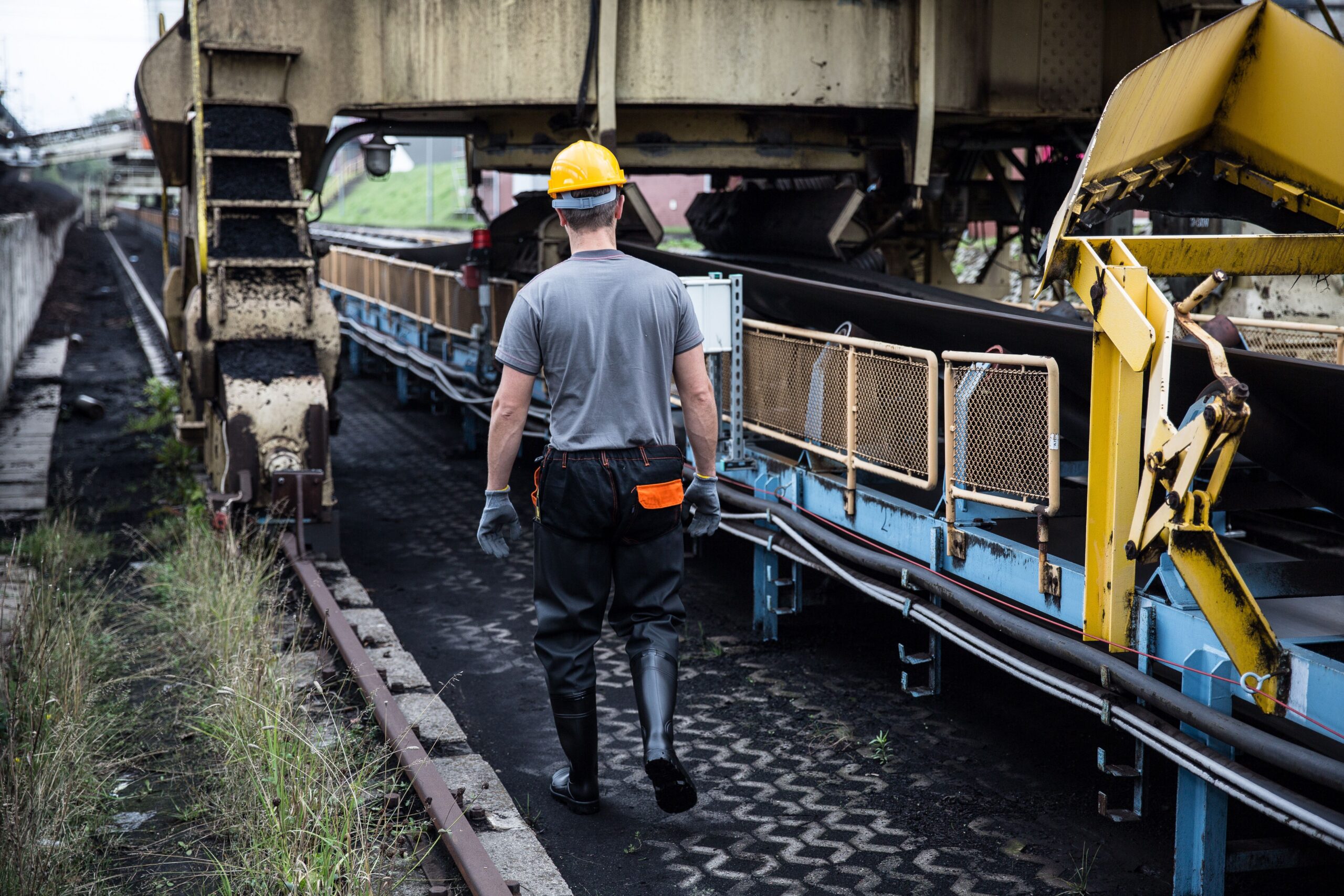
Shift Work & Industrial Labor
Refinery and Shift-Work Back Pain: Staying Ahead of It in Saint Paul Park
Reviewed by Dr. Dustin Dukart, DC
A large plant that’s long been part of this town, and plant work asks a lot of a body — valves, hoses, tools overhead, stairs and catwalks, and a schedule that rotates you off normal sleep every few weeks. If your lower back is the part that complains loudest, you’re not imagining the connection. Here’s what’s actually going on and what tends to help.
Book Your Visit → or call (612) 314-9482
The short version: the load is one problem, and running low on recovery from disrupted shift-work sleep is a second, separate problem. Plant work stacks both — which is why both need addressing, not just the lifting.
Why Shift Work Itself Makes Back Pain Worse
It isn’t only the lifting. Rotating and night shifts disrupt the body’s sleep-wake clock, and the research on this is consistent: shift workers get less total sleep and lower-quality sleep than day workers. That matters for your back because a lot of tissue repair and recovery happens during sleep — when you’re short on it, the day’s strain doesn’t fully clear before the next shift piles more on top. Studies of shift workers find higher rates of musculoskeletal complaints, low back pain included, even after accounting for how physical the job is.
Short version: the load is one problem, and running low on recovery is a second, separate problem. Plant work stacks both.
What Helps — During the Shift
- Change positions before your back makes you. Long stretches in one posture — bent over a pump, reaching into a rack, sitting in a truck between rounds — load the same structures the whole time. Brief, deliberate position changes every 20–30 minutes spread that load out.
- Get the load close before you lift. A tool or part lifted at arm’s length or from low on the ground puts far more strain through your spine than the same weight kept close and lifted from around waist height. Where you have any say in staging — carts, benches, where a bin sits — use it.
- Rotate tasks when you can. Doing the same repetitive motion for hours is harder on tissue than mixing it up. Task variety through a shift reduces cumulative strain.
- Don’t power through a new, sharp, or radiating pain. End-of-shift soreness is normal. Pain that’s sudden, severe, or shooting down a leg is a different signal — that one’s worth stopping for.
What Helps — Around the Shift
- Protect the sleep you can get. On nights, a dark, cool, quiet room during the day does more for recovery than most people expect — blackout shades, a fan or white noise, phone out of reach. NIOSH’s guidance for shift workers is worth a read if you’re rotating schedules regularly.
- Keep some general conditioning going. A back and core that’s used to load handles load better, shift after shift. This is closer to a fitness question than a “correct way to lift” question.
- Use your days off to actually recover — movement, not just rest, but also not cramming every heavy project into the two days you’re home.
If sleep position is part of your problem, see the best sleeping positions for back and neck pain.
When It’s Worth Getting Looked At
Soreness that eases with a day or two off is usually just fatigue. Pain that’s still there in the morning, that’s been building over weeks, that wakes you up, or that runs into your hip or leg is worth a real exam. If it started with a specific incident on the job, that’s a work injury and there’s a process for it. Our low back pain page covers how we sort out what’s actually driving it.
How We Approach It
The exam identifies the specific joint, movement pattern, or strength deficit behind your pain, and the plan is built around that — plus practical adjustments for your actual schedule, not a generic handout.
Ready to Get an Answer?
Most new patients are seen within a few days, and Saturday times are available. New here? Start with what to expect on a first visit.
Book Your Visit → or call (612) 314-9482
Related reading: what actually helps warehouse and manual-labor back pain.
References
- National Institute for Occupational Safety and Health (NIOSH). Work schedules: shift work and long work hours — sleep and recovery. CDC/NIOSH.
- Zhao I, Bogossian F, Turner C. The association between shift work and unhealthy weight and musculoskeletal disorders. Journal of Occupational and Environmental Medicine, 2012.
- Shift work and its impact on sleep and health: a review. PMC.
- Occupational mechanical exposures as a risk factor for chronic low-back pain: a systematic review and meta-analysis. PMC.