

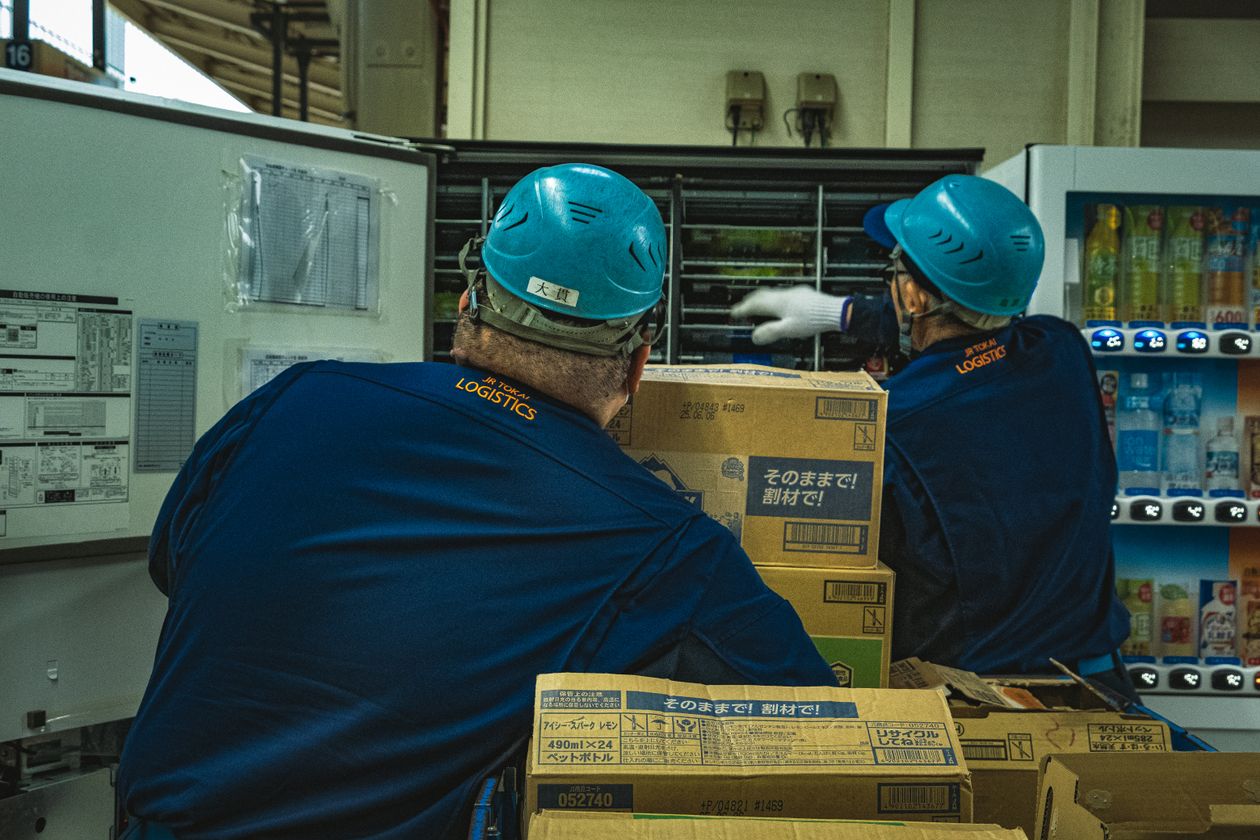
Manual Labor & Warehouse Work
Warehouse and Manual Labor Back Pain: What Actually Helps
Reviewed by Dr. Dustin Dukart, DC — August 30, 2026
Pulling pallets, stacking bins, a full shift of lifting — by the end of the day your low back lets you know about it. Here’s what the research actually says helps, and what doesn’t do as much as you’d think.
Book Your Visit → or call (612) 314-9482
Worth knowing: a Cochrane review found that lifting-technique training alone hasn’t been shown to reduce how often back pain happens. Good form still matters in the moment — it’s just not the whole story. Load, pace, and conditioning matter more.
“Lift With Your Legs” Isn’t the Whole Answer
It’s the advice everyone’s heard, and it’s not wrong exactly — but a Cochrane systematic review looked at manual handling training programs across thousands of workers and found that technique training, on its own, hasn’t been shown to actually reduce how often back pain happens. Workers who went through training knew more about proper form, but that knowledge didn’t reliably translate into less pain or fewer missed days. Good form still matters in the moment, it just isn’t the whole story.
What the Evidence Actually Points To
- The load and the pace matter more than the form. Research on occupational back pain consistently points to how much you’re lifting and how often — heavy loads, awkward positions like reaching and twisting, and high repetition are the real drivers of risk, more than whether your back was perfectly straight on any one lift.
- Where the load starts matters. A box lifted from floor level or a low bin puts more strain through your spine than the same box lifted from waist height — positioning pallets and shelving to avoid repeated low or overhead reaches, where you have any control over it, reduces cumulative strain more than technique alone.
- General conditioning helps more than a single “right way” to lift. A back and core that’s used to load handles that load better, shift after shift — this is closer to a fitness question than a form question.
- Recovery between loads matters. Short breaks and rotating tasks (not doing the same repetitive motion for hours straight) reduce cumulative strain — pacing yourself isn’t slacking, it’s how the tissue actually holds up over a full shift.
When It’s More Than End-of-Shift Soreness
Everyday muscle fatigue usually eases up with rest. Pain that’s still there the next morning, that’s gotten worse over weeks, or that runs down your leg is worth a real exam. See our low back pain page → for how we sort that out.
How We Approach It
The exam identifies what’s actually driving your pain — a specific joint, a specific movement pattern, a strength deficit — and the plan is built around that, not a generic “lift smarter” handout.
Ready to Get an Actual Answer?
Most new patients are seen within a few days.
Book Your Visit → or call (612) 314-9482
Related reading: protecting your back while shoveling snow.
References
- Verbeek JH, et al. Manual material handling advice and assistive devices for preventing and treating back pain in workers. Cochrane Database of Systematic Reviews, 2011.
- Occupational mechanical exposures as risk factor for chronic low-back pain: a systematic review and meta-analysis. PMC.