
Seasonal / Minnesota
Snow Shoveling and Back Pain: How to Protect Your Back This Winter
Reviewed by Dr. Dustin Dukart, DC — August 23, 2026
If you live in Saint Paul Park or anywhere in the east metro, shoveling isn’t optional — and it’s one of the most common ways we see a healthy back turn into a painful one, seemingly overnight.
Book Your Visit → or call (612) 314-9482
Why it matters: the U.S. Consumer Product Safety Commission recorded over 137,000 ER, doctor’s office, and clinic visits for snow shoveling and snowblower injuries in a single recent year — most commonly sprains and strains to the back and shoulders.
Why Shoveling Is Rough on Your Back
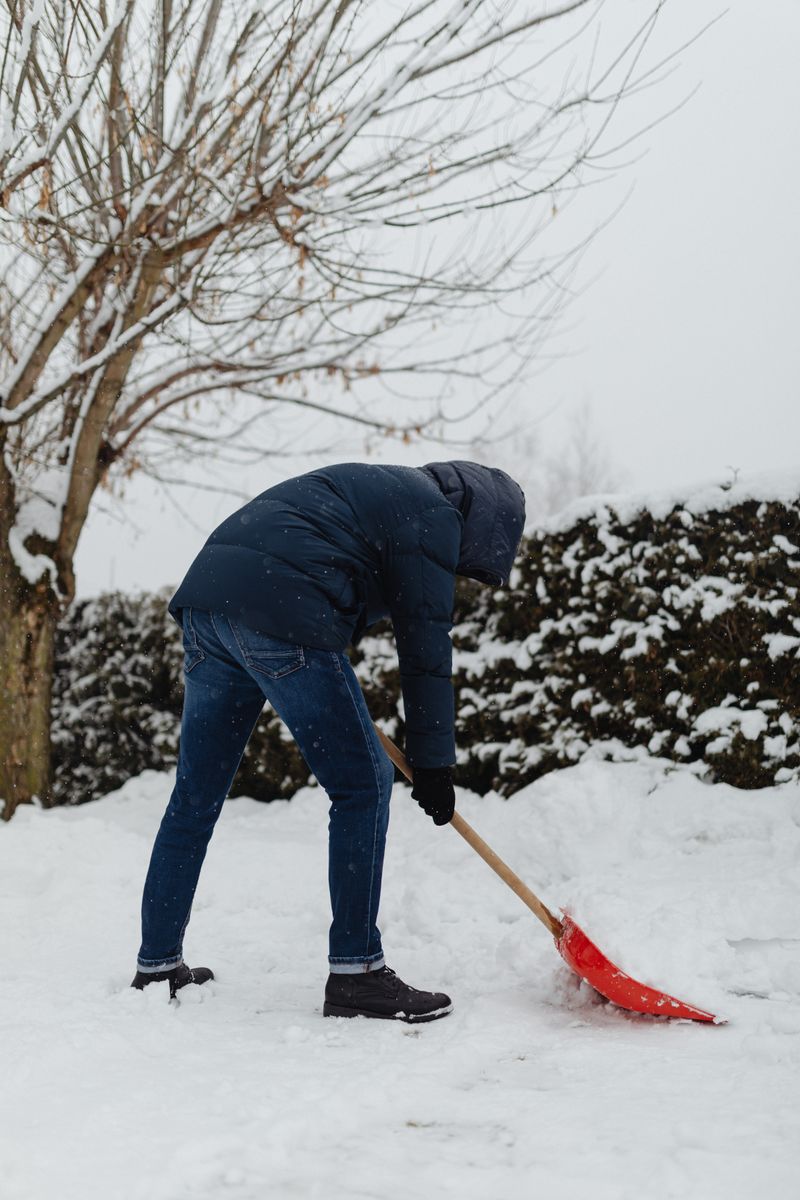
It combines nearly everything that stresses your spine at once: bending forward, twisting to throw the snow, lifting a load that’s often heavier than it looks (wet snow especially), repeated many times in a row, in the cold — which itself makes muscles less pliable and more injury-prone before you’ve even started. This isn’t a small-scale problem either — the U.S. Consumer Product Safety Commission recorded over 137,000 emergency room, doctor’s office, and clinic visits for snow shoveling and snowblower injuries in a single recent year, most commonly sprains and strains to the back and shoulders.
Practical Ways to Lower Your Risk
- Push instead of lift when you can. Pushing snow to the side is far easier on your back than lifting and throwing it.
- Bend at the knees, not the waist. Let your legs do the lifting — the same principle as lifting any heavy object.
- Don’t twist while you throw. Turn your whole body toward where the snow is going instead of twisting your spine while holding a load.
- Take smaller scoops, more often. A full shovel of wet snow can weigh 15-20+ pounds — several light scoops beat a few heavy ones.
- Warm up first. A few minutes of walking or light movement before you start makes a real difference in cold weather.
- Switch sides periodically. Don’t do the entire driveway leading with the same side of your body.
- Pace yourself. Take breaks, especially for larger driveways or heavy, wet snow — this isn’t a race.
If It Already Hurts
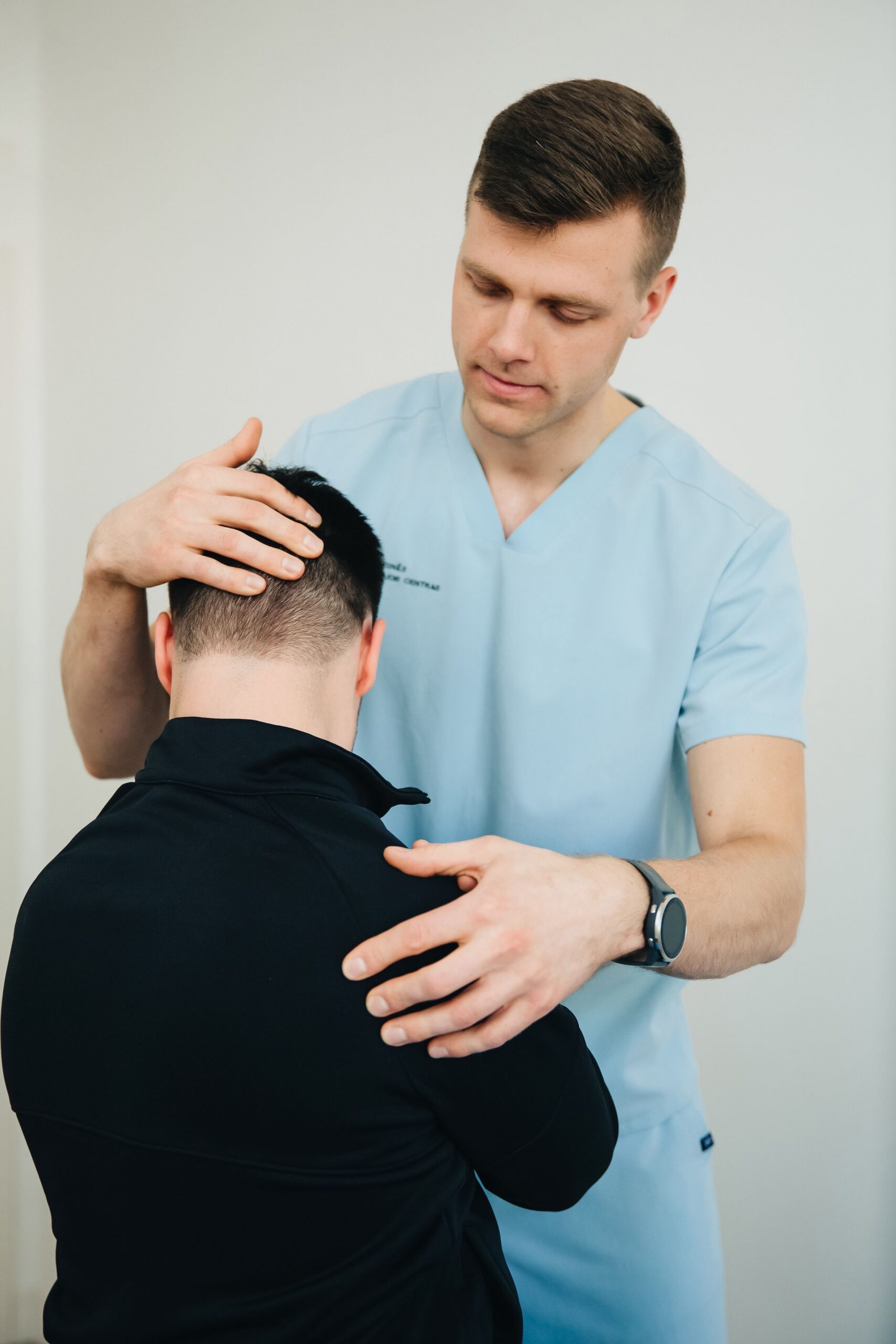
A little soreness after a big shoveling session is common and usually settles on its own. Pain that’s sharp, doesn’t ease up after a day or two, or comes with numbness or tingling down a leg is worth getting looked at properly rather than waiting it out. See our low back pain page → for what that exam looks like.
Already Hurting From Shoveling?
Most new patients are seen within a few days.
Book Your Visit → or call (612) 314-9482
Related reading: back pain from heavy or repetitive work.
References
- American Academy of Orthopaedic Surgeons. Prevent Snow Shoveling and Snowblowing Injuries. OrthoInfo.
- American Academy of Orthopaedic Surgeons. The Scoop to Avoiding Injury When Clearing Snow and Ice.