
Scoliosis
Can a Chiropractor Treat Scoliosis? An Honest Answer
Reviewed by Dr. Dustin Dukart, DC
It’s one of the most common questions people ask a chiropractor, often after a school screening or an X-ray turns up a curve. The honest answer has two parts, and it’s worth being clear about both.
Book Your Visit → or call (612) 314-9482
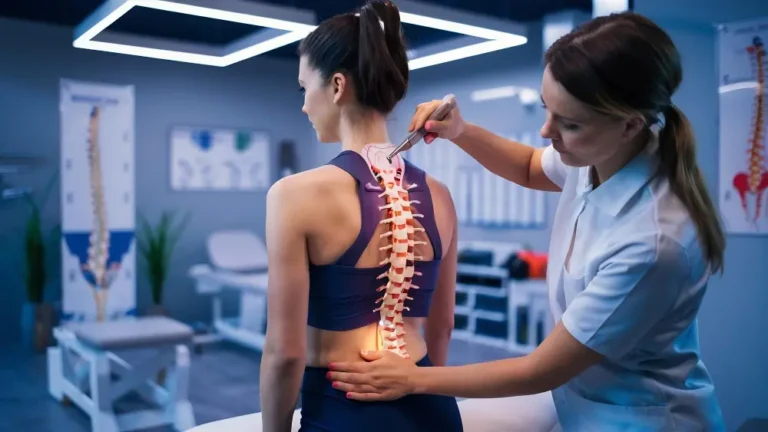
The honest answer, upfront: chiropractic care does not straighten a scoliosis curve — no high-quality research supports that. What it can reasonably help with is ordinary back or neck pain in someone who happens to have scoliosis, alongside whatever monitoring or bracing a scoliosis specialist has you on.
Chiropractic Care Does Not Straighten a Scoliosis Curve
There’s no getting around this one. A systematic review of the research on chiropractic treatment for scoliosis found no high-quality trials — only case reports — and concluded that chiropractic-specific approaches should not be recommended over treatments that actually have evidence behind them. Approaches like adjustments plus heel lifts and posture advice have not been shown to reduce the size of a curve. If a clinic tells you they can correct your scoliosis with adjustments, that claim isn’t supported. It’s a fair thing to be skeptical about.
What the Evidence Actually Supports for the Curve Itself
For adolescent idiopathic scoliosis — a curve found during the growing years — the 2016 SOSORT international guidelines support a staged approach based on the size of the curve (measured as the Cobb angle) and how much growing is left:
- Smaller curves: monitoring with repeat exams and imaging to see whether it’s progressing.
- Moderate curves in a still-growing spine: a properly fitted brace, plus physiotherapeutic scoliosis-specific exercises (such as the Schroth method) taught by a trained provider.
- Larger curves: evaluation by a scoliosis surgeon.
The right first stop is a physician who manages scoliosis — often a pediatric orthopedist or a scoliosis clinic — who can measure the curve accurately and track it over time. The Scoliosis Research Society has plain-language patient information on how those decisions are made.
Where Conservative Care Can Still Fit
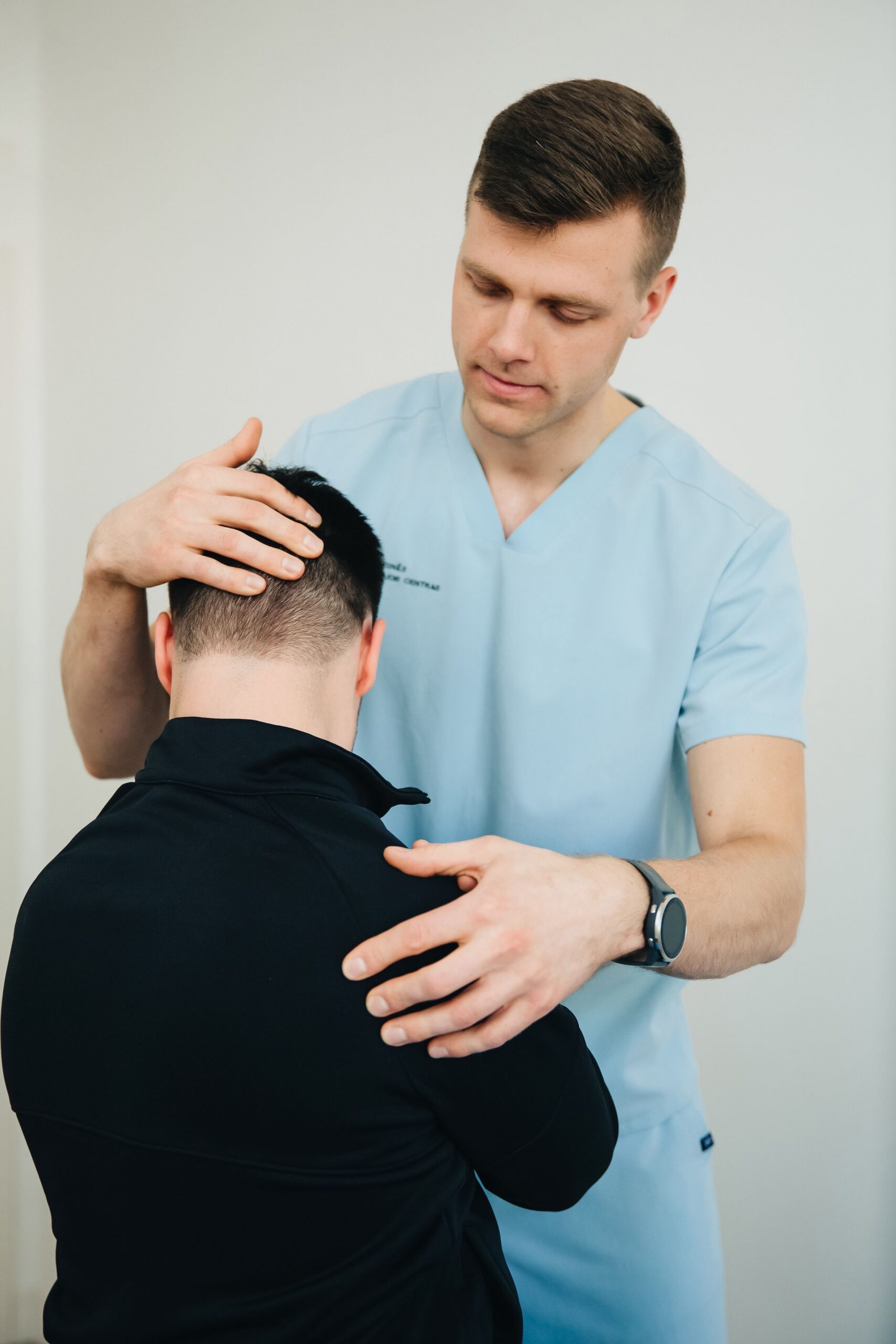
Here’s the second part of the answer. Plenty of people who have a scoliosis curve also have ordinary back or neck pain — from a desk job, a bad night’s sleep, lifting something wrong — the same reasons anyone else has back pain. Treating that pain with the usual evidence-informed approach (a real exam, hands-on care where it’s indicated, and a targeted exercise plan) is reasonable, as long as everyone is clear that it’s addressing the symptoms, not changing the curve, and it isn’t replacing the monitoring or bracing that a scoliosis specialist is managing. If you’re in that situation and want a straight assessment of what’s driving your pain, that’s a visit we can help with.
When to Get Evaluated Promptly
See a physician sooner rather than later if you notice:
- A curve that appears to be getting visibly worse over months
- New back pain that’s severe, constant, or wakes you at night
- Numbness, tingling, or weakness in the legs, or any change in bladder or bowel function
- A curve in a child or teen who is still growing quickly (progression risk is highest during growth spurts)
Want a Straight Answer About Your Back Pain?
Most new patients are seen within a few days.
Book Your Visit → or call (612) 314-9482
Related reading: how we approach back pain.
References
- Everett CR, Patel RK. Chiropractic treatment of scoliosis: a systematic review of the scientific literature. PMC.
- Negrini S, et al. 2016 SOSORT guidelines: orthopaedic and rehabilitation treatment of idiopathic scoliosis during growth. Scoliosis Spinal Disord. 2018.
- Scoliosis Research Society. Scoliosis: Patient Information.